


1. Defining Iconic Scenes
Iconic scenes are scenes in movies, TV series, literature, and art in general, that have become classics and have influenced our pop culture. Iconic scenes are considered central and very important, influencing the specific nature of the work. They are remembered by audiences and critics as focal points of interest and significant for understanding literature and dramatic art.
Iconic scenes can be diverse – ranging from scenes with very little dialogue to scenes with a rich script of conversation and action. They can be performed in different and fascinating ways each time.
Analyzing iconic scenes can be challenging, but also fascinating and educational. During analysis, it is important to start with an understanding of the central culture in which the work was written, and continue reading the text deeply and accurately to understand its various layers.
Read More

Analyzing iconic scenes allows us to better understand the connection between characters, plot twists, and the deep messages that the creators of the work are trying to convey to us. This is an important tool for anyone interested in delving deeper into the creative process and the art of literature and drama.
2. The Role of Iconic Scenes in Artistic Works
Iconic scenes in artistic works serve as an impressive way to convey messages, engage with the audience, and create multi-sensory experiences. When executed properly, they can change viewers’ perspectives and influence their emotions.
When analyzing an iconic scene, it is important to pay attention to the various aspects of it. This includes the use of images, music, colors and tones, movement, lighting, and more. All these elements combine to create a striking image that impacts the viewers’ emotions.
Iconic scenes are sometimes created by using symbols or signs familiar to the background culture. They may be part of popular culture or the artistic history of the media. By using iconic scenes in artistic works, creators can connect with the audience and convey messages clearly and effectively.
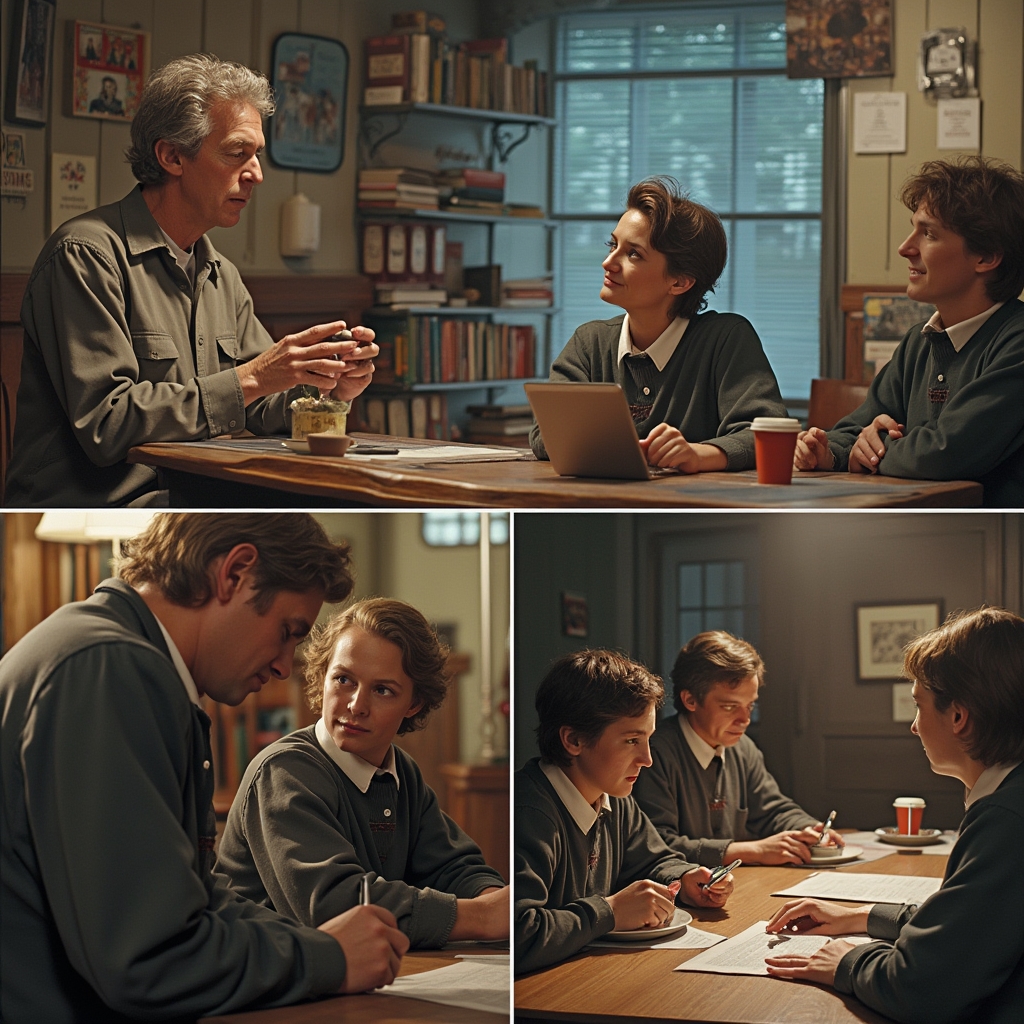
Focusing on small details will lead to amazing results.
Additionally, iconic scenes can serve as tools to create memories and provide viewers with a unique viewing experience. They may leave a deep impression on the audience and influence their perception of the world.
Creating iconic moments requires sensitivity and creativity.
Uri Cohen – Script Editor
Therefore, analyzing an iconic scene in artistic works is important for understanding the messages that creators encourage to convey, and understanding their influence on the audience. This way, we can better appreciate the work and its impact on our culture.
Techniques for Analyzing and Understanding Iconic Scenes
In this article, we will discuss techniques for analyzing and understanding iconic scenes in cinema and drama. We will start with an explanation of what an iconic scene is and why it is important, and then discuss how to analyze and understand such a scene in depth.
One of the key techniques for analyzing an iconic scene is to focus on the smallest details. When looking at a specific scene, it is important to pay attention to every small detail – from colors and lighting, to the actors’ movements and expressions. Each small detail can provide important clues to understanding the scenario and the context in which it occurs.

Iconic scenes are not just about viewing, but also about influence.
Another technique is to consider the background of the scene. The background, including the location, time, and culture in which the scene takes place, can greatly influence the events and characters within the scene. This way, it is possible to understand the deep connections between the characters and events in the scene.
Finally, it is important to consider different perspectives from which the scene can be seen. Often, different angles offer different and deeper insights into the scene, so it is advisable to ask different questions and try to see the scene from all possible angles.

Every scene must serve the story and enhance the viewing experience.
Through these techniques, it is possible to extract deep and profound information about iconic scenes in cinema and drama, and understand their connections and implications. Good luck!
Examples of Iconic Scenes from Cinema, Literature, and Theater Art
1. The pirates scene from the movie “Pirates of All Seasons” – This scene represents the emotions of freedom and adventure, and the famous pirates symbolize the desire to live outside society’s norms.
2. The belly dance scene from “One Thousand and One Nights” – In this scene, one of the sexiest scenes ever written, Scheherazade describes feminine power and senses in a magnificent way.
3. Banksy’s graffiti scene in the form of the Captain Birdseye – This scene represents street art and social activism, and Banksy’s portrayal reflects a call for change.
When characters behave uniquely, they create unforgettable scenes.
Noa Levi – Film Director
4. The song “Black Night” performed by Hally Pold – This scene depicts the chaos and suffering in the world, and Hally Pold’s powerful performance shapes the moment iconically.
5. The play scene “King Lear” revealing Gonzaga’s deceit – In this scene, well-known from the theatrical classic, the great deception of the king is revealed, reaching the climax of the act.
Applying Understanding of Iconic Scenes in Your Reading and Creating Your Own Films and Dramas
Creating your own films or dramas can be a fascinating and refreshing work if we use iconic scenes as a source of inspiration. Iconic scenes are important and meaningful moments in pop culture that have become symbols and unforgettable images.
When we start the process of creating a film or drama, it is important to understand the iconic scene we have chosen to use. Analyzing the scene will help us understand its background, implications, and meanings, and to invest it in creating our film or drama.
Small details in a scene can change the entire perception.
Avi Cohen – Cinema Festival Director
By understanding the iconic scene, we can understand the magical process of creating our film or drama. We can aspire to create a work that reflects the depth and complexity of the original scene, and express the emotions and ideas it evokes in us.
At the end of the process, we can be proud of our creation and feel the satisfaction of our work. When we use iconic scenes creatively and fascinatingly, we can create films and dramas that reflect our inner world and bring added value to our creative process.